
Sciatica Pain: Why It Happens and Relief Tips
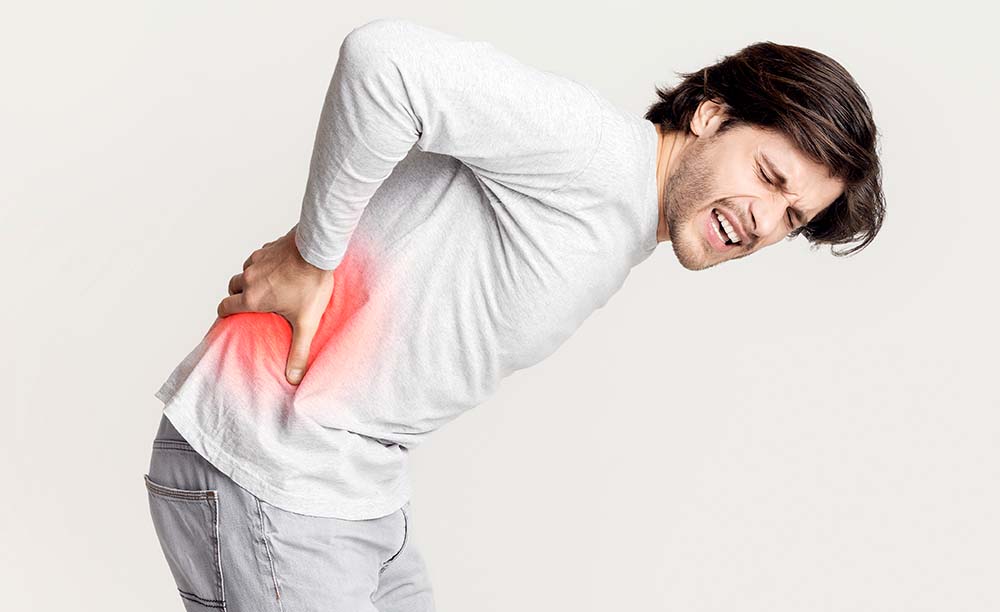
Ever feel a sharp, burning, or electric pain that starts in your lower back and travels through your hip and down one leg? That is not random bad luck. That pattern is classic sciatica. Let’s break down what it is, why it happens, and what you can do about it.
What is sciatica?
Sciatica refers to pain caused by irritation of the sciatic nerve. This nerve is the longest nerve in the body. It begins in the lower back, passes through the hips and glutes, and runs all the way down to the feet.
You might hear health professionals refer to it as nerve root pain, disc-related sciatica, or lumbosacral radiculopathy. Different labels, same problem. The nerve is irritated, and your leg feels it. Unlike general low back pain, sciatica is nerve-driven.
That is why the pain can travel far from the spine and why movements such as bending, twisting, coughing, or sneezing often make it worse.
What causes sciatic pain?
Most cases are due to a disc issue in the lower spine. A herniated or bulging disc can press on a nerve root, triggering pain, numbness, or weakness down the leg. This can happen suddenly after an injury or gradually due to age-related wear and tear.
Other possible causes include spinal narrowing, known as lumbar stenosis, or muscle-related nerve compression, such as piriformis syndrome.
Common symptoms
The hallmark sign is pain that radiates down the back of one leg. Some people describe it as sharp or shooting. Others feel burning, tingling, or numbness. In some cases, strength and mobility can be affected, making everyday activities harder than they should be.
Who is more likely to develop sciatica?
Sciatica is fairly common. A small percentage of people with low back pain will develop it, and a significant portion of the population experiences it at least once in their lifetime (around 40%).
Factors that increase risk include getting older, higher physical demands on the body, chronic stress, and smoking. Certain jobs, especially those involving prolonged sitting, vibration, or repetitive movements, such as truck driving or machine operation, also raise the odds.
How is sciatica diagnosed?
When leg pain is involved, a chiropractor will start with a thorough history and physical exam. The goal is to determine whether the sciatic nerve is the source of the problem or whether something else is causing it.
Chiropractors often collaborate with other health professionals. If serious warning signs appear, such as symptoms suggesting significant nerve damage, advanced imaging or specialist referral may be recommended.
How is sciatica diagnosed?
Care is individualized, but common approaches include hands-on treatment and guidance on daily habits that affect recovery. Depending on the case, care may include spinal manipulation/mobilization, flexion-distraction, exercises, and recommendations to stay active in a safe, structured manner.
The focus is not just on pain relief but on improving how the spine and nervous system function together.
What you can do at home
Recovery does not stop at the clinic door.
Simple habits make a difference:
- Use heat or ice for short-term comfort
- Avoid staying seated or standing in one position for too long
- Build core strength with appropriate exercises
- Gently stretch the lower back and hamstrings
- Stay active with walking, swimming, or water-basedexercise
- Use proper lifting techniques to protect your spine
Always check with your chiropractor to make sure what you are doing at home fits your specific condition.
Can sciatica be prevented?
You cannot control everything, but you can stack the odds in your favour. Regular movement, good posture, and staying strong go a long way. The best exercise is the one you will actually stick with.
Good exercises ot keep active include:
- Walking
- Swimming
- Cycling
- Strength Training
- Yoga
- Pilates
Chiropractors specialize in the spine, muscles, and nervous system. Their goal is to reduce pain, restore function, and help you return to normal activities. If you are experiencing sciatica, we can help.
At ActiveEdge Spine& Sport in Ottawa, we create personalized treatment plans to help your body heal optimally. Reach out and book an appointment today at our Ottawa location.